Embracing EcoCulture: Simple Steps for Individuals and Businesses to Reduce Trash and Carbon Footprint
- Green Ship
- Nov 8, 2025
- 3 min read

In today's fast-paced world, the challenge of going green can seem intimidating. However, adopting EcoCulture is truly within reach. Whether you are an individual or running a business, there are straightforward yet impactful steps you can implement to cut down on waste and lower your carbon footprint. By analyzing your waste habits, changing consumer patterns, opting for sustainable products, and practicing composting, you can create a positive change for the environment.

Understanding Your Trash Load
To effectively reduce waste, start by identifying the amount of trash you produce and the types of waste you generate. Spend a week tracking your waste using a journal or a handy app. Record the items you throw away daily. This approach not only highlights your consumption habits but also reveals potential areas for improvement.
For example, if you discover that 30% of your waste consists of plastic packaging, you might explore alternatives like bulk buying or selecting products with minimal packaging. This simple shift can lead to serious reductions in waste over time.
Changing Consumerism Habits
Consumer habits heavily influence the environment, but change is possible. Begin making conscious choices about purchases. Seek out products crafted from sustainable materials, are minimally packaged, or have a longer lifespan.
Supporting local businesses can amplify your impact. For instance, buying from a local farmer’s market supports sustainable practices while also reducing transportation emissions. According to a study, purchasing local can cut carbon emissions related to food transport by 50% or more.
Choosing Sustainable Products
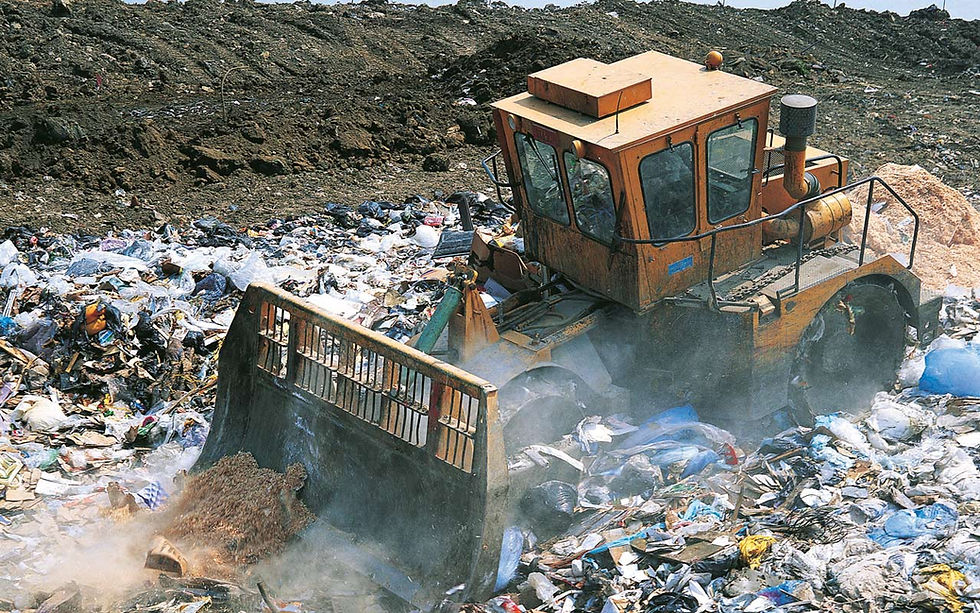
When shopping, aim for items labeled as compostable, biodegradable, or made from recycled materials. Such products can significantly lessen the volume of waste going to landfills.
Investing in reusable products like stainless steel water bottles, cloth shopping bags, and glass food containers is also beneficial. For instance, switching to a reusable water bottle can eliminate the use of around 167 plastic bottles per person each year. Small changes like these can yield big results.
The Power of Composting
Composting is a powerful method to reduce waste while enhancing soil health. By composting food scraps and yard waste, you can divert about 30% of your household waste from landfills.
To start composting, set up a bin in your backyard or utilize a countertop composting system if you live in an apartment. Items you can compost include fruit and vegetable peels, coffee grounds, eggshells, and yard clippings. Not only does this reduce waste, but it also produces nutritious soil for your garden, promoting healthy plant growth.

Cultivating an EcoCulturr
Embracing EcoCulturr means integrating sustainable practices into daily life and work environments. This does not just involve reducing waste; it also means inspiring a culture of sustainability among friends, family, and customers.
For businesses, this might entail setting up a recycling program, using compostable packing materials, or encouraging employees to adopt eco-friendly habits. From an individual standpoint, sharing your composting success with friends or participating in community clean-ups can spread awareness and motivate others.
Committing to Carbon Footprint Reduction
Lowering your carbon footprint is vital for embracing EcoCulture. You can achieve this through several simple strategies, like taking public transport, carpooling, or biking instead of driving.
Additionally, reducing energy consumption at home and work is crucial. Even small actions can have a big impact. Turning off lights after leaving a room, using energy-efficient appliances, and exploring renewable energy options can significantly lower your carbon emissions. Research shows that adopting energy-efficient practices can reduce household energy use by about 20-30%.
Moving Towards a Greener Future
Living sustainably today doesn’t need to be complicated. By making small, actionable changes, both individuals and businesses can significantly reduce their trash and carbon footprints. Start by understanding your waste habits, rethinking consumer choices, opting for sustainable products, and embracing composting.
Creating an EcoCulture in your life and work contributes to a healthier planet and encourages others to follow suit. Remember, every little step counts, and collectively, we can foster a positive change. Let's commit to towards a greener future, one choice at a time!


Comments