Easy Ways to Compost Over the Holidays
- Green Ship
- Dec 20, 2025
- 3 min read

The holidays bring joy, family gatherings, and plenty of food. But they also create a lot of waste, especially organic scraps that often end up in the trash. Composting during the holidays is a simple way to reduce waste, help the environment, and even improve your garden. If you think composting is complicated or time-consuming, this guide will show you easy ways to make it part of your holiday routine without stress.
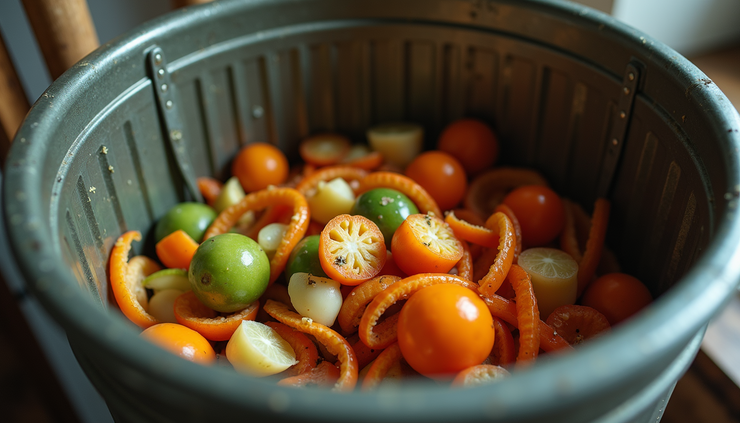
Start with a Small, Convenient Compost Bin
One of the biggest barriers to composting during busy times is convenience. When you have guests, cooking, and cleaning, the last thing you want is a complicated compost setup. A small countertop compost bin with a tight lid makes it easy to collect scraps like vegetable peels, coffee grounds, and eggshells.
Choose a bin with a charcoal filter to reduce odors.
Place it near your food prep area so you can quickly toss scraps.
Empty it daily into your outdoor compost pile or municipal compost bin.
This simple step keeps composting manageable and prevents food waste from piling up in your trash.
Use Holiday Food Scraps Wisely
The holidays generate lots of compostable materials beyond just vegetable scraps. Here are some common holiday items you can compost:
Fruit peels and cores from apples, oranges, and pears
Coffee grounds and tea bags from holiday morning drinks
Nut shells (except for walnuts, which can be toxic to some plants)
Bread scraps and stale baked goods (in moderation)
Vegetable trimmings from holiday meals
Avoid composting meat, dairy, and oily foods as they attract pests and slow down decomposition. Instead, focus on plant-based scraps and paper products like napkins or paper towels.
Set Up a Simple Outdoor Compost Area
If you have space outside, a basic compost pile or bin can handle larger amounts of holiday waste. You don’t need a fancy system—just a spot in your yard where you can pile organic material.
Start with a layer of coarse materials like twigs or straw for airflow.
Alternate layers of green materials (food scraps, fresh leaves) and brown materials (dry leaves, shredded paper).
Turn the pile every week or two to speed up decomposition.
Keep it moist but not soggy.
Even during the holidays, spending a few minutes turning the pile helps keep it active and reduces odors.

Involve Family and Guests
Composting can be a fun and educational activity for everyone during holiday gatherings. Set up a clearly marked compost bin alongside your trash and recycling bins. Explain what can and cannot go in the compost.
Use signs or pictures to help guests sort their waste.
Encourage kids to help collect scraps from the table.
Share why composting matters for the environment and how it reduces landfill waste.
Making composting part of your holiday tradition builds awareness and makes it easier to keep up after the season ends.
Use Compostable Tableware and Wrapping
Many holiday parties use disposable plates, cups, and utensils. Choosing compostable options made from plant fibers or other biodegradable materials helps reduce plastic waste.
Look for certified compostable products.
Avoid items with plastic coatings or glitter.
Compost used napkins and paper towels.
Also, consider wrapping gifts in reusable cloth or recyclable paper to cut down on waste that cannot be composted.
Store Compost Properly During Winter
Cold weather can slow down composting, but you can still keep your pile active through the holidays.
Chop scraps into smaller pieces to speed decomposition.
Add extra brown materials to balance moisture.
Cover the pile with a tarp or straw to retain heat.
If you use a kitchen bin, empty it regularly to avoid odors.
If outdoor composting isn’t an option, consider vermicomposting with worms indoors. Worm bins are compact and work well year-round.

Turn Composting into a New Holiday Habit
The holidays are a perfect time to start or improve your composting routine. By keeping it simple and involving your household, you can reduce waste without extra hassle. Over time, composting becomes second nature and benefits your garden with rich, natural fertilizer.
Try these easy steps this season:


Comments